Theoretical evolutionary biologist · Budapest · Munich Elméleti evolúcióbiológus · Budapest · München
Eörs SzathmárySzathmáry Eörs
Evolution has repeatedly built new levels of life. Replicating molecules came together in cells, cells in organisms, organisms in societies, and one primate species acquired language. I study how these major transitions happened, with mathematical models and theory, and together with chemists, linguists and neuroscientists.
Az evolúció újra meg újra az élet új szerveződési szintjeit hozta létre. A replikálódó molekulák sejtekké álltak össze, a sejtek élőlényekké, az élőlények társadalmakká, egy főemlősfaj pedig nyelvre tett szert. Azt kutatom, hogyan mentek végbe ezek a nagy evolúciós átmenetek: matematikai modellekkel és elmélettel, vegyészekkel, nyelvészekkel és idegtudósokkal együttműködve.
Beyond research, I write and speak about science for the public, and I work on what evolutionary thinking can contribute to a sustainable future.
A kutatás mellett a nagyközönségnek is írok és beszélek a tudományról, és azon dolgozom, mit adhat az evolúciós gondolkodás egy fenntartható jövőhöz.
ScienceTudomány
How life became complexHogyan lett összetett az élet
The major evolutionary transitions, the origin of life and of the genetic code, the evolution of language, and how learning and evolution interact.
A nagy evolúciós átmenetek, az élet és a genetikai kód keletkezése, a nyelv evolúciója, valamint a tanulás és az evolúció kapcsolata.
232 publications by topic →232 publikáció témák szerint →Public voiceNyilvánosság
Science in conversationTudomány párbeszédben
Interviews, essays, lectures and broadcasts on evolution, science and society, in Hungarian and in English.
Interjúk, esszék, előadások, rádió- és tévészereplések evolúcióról, tudományról és társadalomról, magyarul és angolul.
Media appearances →Médiaszereplések →SustainabilityFenntarthatóság
A long view of our futureHosszú távú nézőpont
How the processes that made humans successful led to the Anthropocene, and what that means for climate, economic growth and evolvable AI.
Hogyan vezettek az ember sikerét megalapozó folyamatok az antropocénhez, és mit jelent ez az éghajlat, a gazdasági növekedés és az evolválható MI szempontjából.
Sustainability work →Fenntarthatósági munka →NewsHírek
RecentlyAz utóbbi időben
- 2026
- A Prima Primissima díj 2026-os jelöltje. Elindult a Közönségdíj szavazás. Felhívnám a figyelmet, hogy csak SMS-ben lehet szavazni, s az adott telefonszámra (06 70/707-7000) csak a kódszámot (12) kell beírni, mást nem, se nevet, se titulust, se pontot – az SMS nem emelt díjas. Minden tudnivaló megtalálható a honlapon: https://www.primaprimissima.hu/kozonseg-szavazas-2026/
- 2026
- Elected an international member of the US National Academy of Sciences.
- Az Egyesült Államok Nemzeti Tudományos Akadémiája (NAS) nemzetközi tagjává választották.
- 2026
- New paper in PNAS with V. Müller and L. Steels: “Evolvable AI: threats of a new major transition in evolution”.
- Új cikk a PNAS-ben (Müller V., Steels L., Szathmáry E.): „Evolvable AI: threats of a new major transition in evolution”.
- 2025
- Foreign member of the Royal Flemish Academy of Belgium for Science and the Arts.
- A Belga Királyi Flamand Tudományos és Művészeti Akadémia külső tagja.
- 2025
- Lifetime Achievement Award of the Evolutionary Linguistic Association.
- Az Evolutionary Linguistic Association életműdíja.
- 2024
- Two speeches at the 11th World Science Forum in Budapest (20–23 November 2024), at the opening ceremony and in the Risk session, on evolvable AI as an existential threat to humanity. Read more at the Parmenides Foundation ↗
- Két előadás a 11. Tudomány Világfórumán Budapesten (2024. november 20–23.), a megnyitón és a kockázatokról szóló szekcióban, az evolválható mesterséges intelligenciáról mint az emberiséget fenyegető egzisztenciális veszélyről. Bővebben a Parmenides Alapítvány oldalán ↗
- 2024
- Start of MiniLife, an ERC Synergy Grant on the de novo construction and evolvability of minimal lifelike systems.
- Elindult a MiniLife ERC Synergy projekt a minimális életszerű rendszerek létrehozásáról és evolválhatóságáról.
ResearchKutatás
The major transitions in evolutionA nagy evolúciós átmenetek
In 1995 John Maynard Smith and I proposed that the history of life is marked by a small number of major transitions. In each, entities that once replicated independently came to replicate only as part of a larger whole, and new ways of storing and transmitting information appeared.
1995-ben John Maynard Smith-szel azt javasoltuk, hogy az élet történetét néhány nagy átmenet tagolja. Mindegyikben a korábban önállóan szaporodó egységek ezután csak egy nagyobb egész részeként szaporodhattak, és az információ tárolásának és átadásának új módjai jelentek meg.
- 1 Replicating moleculesReplikálódó molekulák Populations of molecules in compartmentsMolekulapopulációk kompartmentekben
- 2 Independent replicatorsFüggetlen replikátorok ChromosomesKromoszómák
- 3 RNA as gene and enzymeRNS mint gén és enzim DNA + protein (genetic code)DNS + fehérje (genetikai kód)
- 4 ProkaryotesProkarióták EukaryotesEukarióták
- 5 Asexual clonesIvartalan klónok Sexual populationsIvaros populációk
- 6 ProtistsEgysejtű eukarióták Animals, plants, fungi (cell differentiation)Állatok, növények, gombák (sejtdifferenciálódás)
- 7 Solitary individualsMagányos egyedek Colonies (non-reproductive castes)Kolóniák (nem szaporodó kasztok)
- 8 Primate societiesFőemlős-társadalmak Human societies (language)Emberi társadalmak (nyelv)
After J. Maynard Smith & E. Szathmáry, The Major Transitions in Evolution (1995).
J. Maynard Smith és Szathmáry E., The Major Transitions in Evolution (1995) nyomán.
Research topics and publicationsKutatási témák és publikációk
Major research projectsFontosabb kutatási projektek
- 2024–
- MiniLife: de novo construction and evolvability of minimal lifelike systemsMiniLife: minimális életszerű rendszerek létrehozása és evolválhatósága ERC Synergy Grant · corresponding PIERC Synergy Grant · levelező témavezető
- 2019–2024
- Learning and EvolutionTanulás és evolúció Frontline programme, Hungarian research office (NKFIH) · PIÉlvonal program, NKFIH · témavezető
- 2018
- Learning in Evolution, Evolution in LearningLearning in Evolution, Evolution in Learning Templeton World Charity Foundation · PITempleton World Charity Foundation · témavezető
- 2017–2021
- In the light of evolutionAz evolúció fényében GINOP Excellence project · PIGINOP kiválósági projekt · témavezető
- 2017–2021
- A unified model of recombination in lifeA rekombináció egységes modellje Volkswagen Foundation · co-PIVolkswagen Alapítvány · társ-témavezető
- 2014–2017
- INSIGHT: Darwinian neurodynamicsINSIGHT: darwini neurodinamika EU FET Open · coordinatorEU FET Open · koordinátor
- 2012–2017
- EvoEvo: evolution of evolvable systemsEvoEvo: evolválható rendszerek evolúciója ERC Advanced Grant · PIERC Advanced Grant · témavezető
- 2009–2012
- e-Flux: Evolutionary Microfluidixe-Flux: Evolutionary Microfluidix EU FET Open · coordinatorEU FET Open · koordinátor
BooksKönyvek
Written with John Maynard SmithJohn Maynard Smith-szel írt könyvek
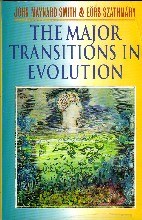
The Major Transitions in Evolution
W. H. Freeman, Oxford, 1995
In Hungarian:Magyarul: Az evolúció nagy lépései (Scientia Kiadó, 1997)
 hu
 de
 ja
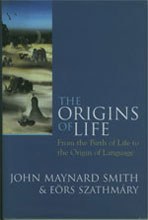
The Origins of Life: From the Birth of Life to the Origin of Language
Oxford University Press, 1999
In Hungarian:Magyarul: A földi élet regénye (Vince Kiadó, 2000; revised and expanded edition,átdolgozott, bővített kiadás: Akadémiai Kiadó, 2012)
 hu
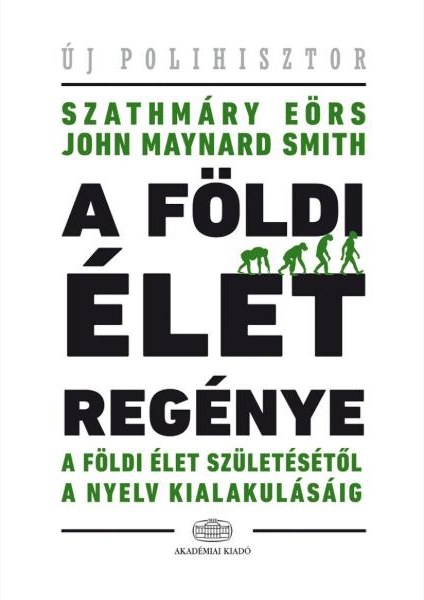 hu
 fr
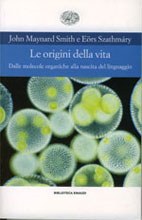 it
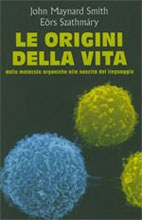 it
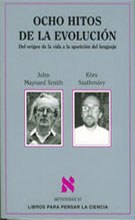 es
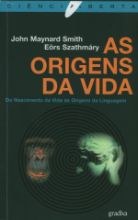 pt
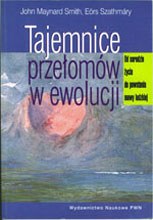 pl
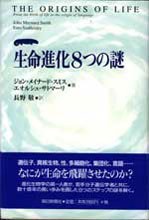 ja
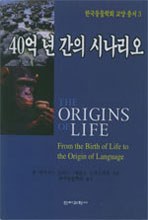 ko
Edited volumesSzerkesztett kötetek
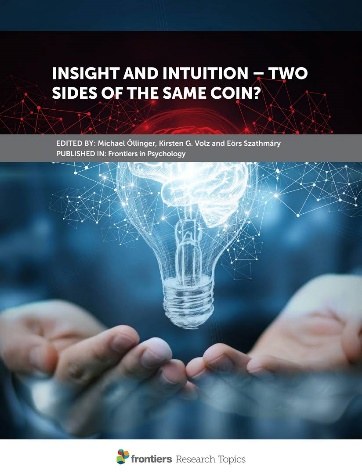
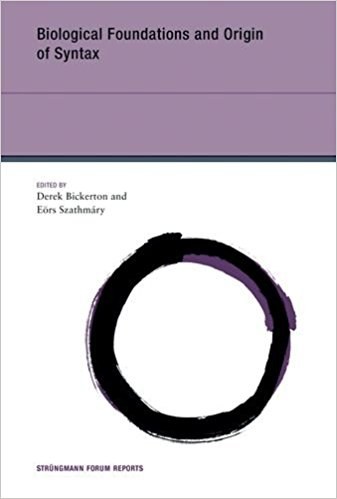
MediaMédia
SustainabilityFenntarthatóság
Evolutionary thinking for a sustainable futureEvolúciós gondolkodás a fenntartható jövőért
Our environmental predicament has evolutionary roots. With T. M. Waring and Z. T. Wood I have argued that the characteristic processes of human evolution caused the Anthropocene and may also obstruct its global solutions. Related work proposes a sub-exponential form of compound interest, inspired by the growth laws of replicators, and asks what threats would follow if artificial intelligence became evolvable.
Környezeti válságunk gyökerei evolúciósak. T. M. Waringgel és Z. T. Wooddal amellett érveltünk, hogy az emberi evolúció jellegzetes folyamatai hozták létre az antropocént, és ugyanezek akadályozhatják a globális megoldásokat is. Kapcsolódó munkáink a replikátorok növekedési törvényei nyomán a kamatos kamat egy szubexponenciális változatát javasolják, és azt vizsgálják, milyen veszélyekkel járna, ha a mesterséges intelligencia evolválhatóvá válna.
Roles and booksSzerepek és kötetek
- 2026
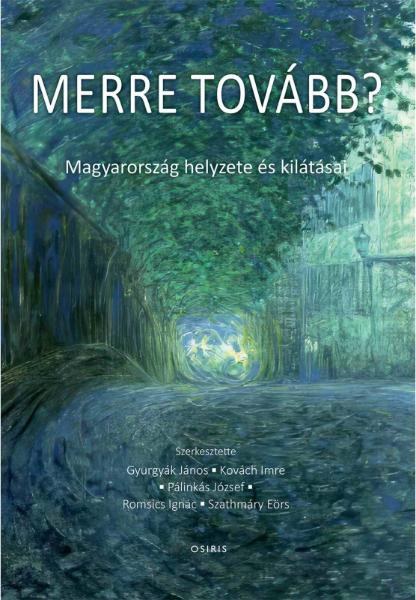
- Co-editor, with J. Gyurgyák, I. Kovách, J. Pálinkás and I. Romsics, of Merre tovább? Magyarország helyzete és kilátásai (Where next? Hungary’s situation and prospects), Osiris
- Társszerkesztő (Gyurgyák Jánossal, Kovách Imrével, Pálinkás Józseffel és Romsics Ignáccal): Merre tovább? Magyarország helyzete és kilátásai, Osiris
- 2025–
- Házigazda, Csopaki evolúciók podcast, Jásdi Istvánnal
- 2020–
- President, Presidential Committee on Sustainable Development, Hungarian Academy of Sciences. The committee organises public conferences on sustainability.
- Elnök, MTA Fenntartható Fejlődés Elnöki Bizottság. A bizottság nyilvános fenntarthatósági konferenciákat szervez.
- 2020
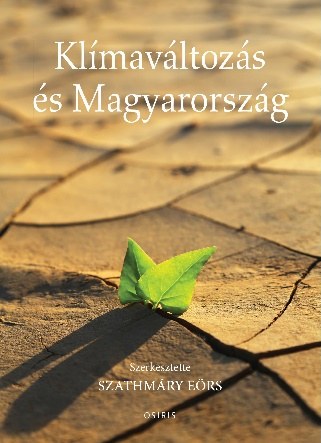
- Editor, Klímaváltozás és Magyarország (Climate change and Hungary), Osiris
- Szerkesztő, Klímaváltozás és Magyarország, Osiris
Selected writingVálogatott írások
- 2026
- Evolvable AI: threats of a new major transition in evolution. PNAS
- 2024
- Characteristic processes of human evolution caused the Anthropocene and may obstruct its global solutions. Phil. Trans. R. Soc. B
- 2024
- Subexponential compound interest: a tool for Homo Curator? Springer
- 2021
- Változó éghajlat, változó környezet, változó kórokozók. Scientia et Securitas
AboutÉletrajz
Short biographyRövid életrajz
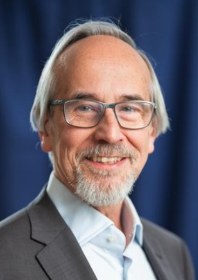
Eörs Szathmáry (born 1959) is a theoretical evolutionary biologist. He studied biology at Eötvös Loránd University (ELTE) in Budapest, where he received his MSc in 1984 and his PhD in 1987, and then worked as a postdoctoral fellow with John Maynard Smith at the University of Sussex. He was a permanent fellow of Collegium Budapest from 1995 to 2011 and has been professor of biology at ELTE since 1997. Since 2012 he has directed the Parmenides Center for the Conceptual Foundations of Science near Munich, and since 2024 he has again been a guest professor at LMU Munich. From 2019 to 2021 he was Director General of the Centre for Ecological Research in Hungary, where he is now a research professor at the Institute of Evolution.
Since 2020 he has chaired the Hungarian Academy of Sciences’ Presidential Committee on Sustainable Development. He was President of the International Organization for Systematic and Evolutionary Biology (1996–2002).
Szathmáry Eörs (1959) elméleti evolúcióbiológus. Az Eötvös Loránd Tudományegyetemen szerzett biológus diplomát (1984) és PhD-fokozatot (1987), majd John Maynard Smith posztdoktori munkatársa volt a Sussexi Egyetemen. 1995 és 2011 között a Collegium Budapest állandó munkatársa volt, 1997 óta az ELTE egyetemi tanára. 2012 óta a München melletti Parmenides Center for the Conceptual Foundations of Science igazgatója, 2024 óta ismét a müncheni Ludwig-Maximilians-Universität vendégprofesszora. 2019 és 2021 között az Ökológiai Kutatóközpont főigazgatója volt, ma az Evolúciótudományi Intézet kutatóprofesszora.
2020 óta az MTA Fenntartható Fejlődés Elnöki Bizottságának elnöke. 1996 és 2002 között a Nemzetközi Szisztematikai és Evolúcióbiológiai Szervezet (IOSEB) elnöke volt.
CareerPálya
- 1984
- MSc in biology, ELTE, Budapest
- Biológus diploma, ELTE
- 1987
- PhD in ecology, ELTE
- PhD (ökológia), ELTE
- 1987–1988
- Postdoctoral fellow with John Maynard Smith, University of Sussex
- Posztdoktori ösztöndíjas John Maynard Smithnél, Sussexi Egyetem
- 1991–1992
- Research fellow, National Institute for Medical Research, London
- Kutató, National Institute for Medical Research, London
- 1992–1993
- Fellow, Wissenschaftskolleg zu Berlin
- Ösztöndíjas, Wissenschaftskolleg zu Berlin
- 1994
- Guest professor, University of Zürich
- Vendégprofesszor, Zürichi Egyetem
- 1995
- Doctor of the Hungarian Academy of Sciences (DSc)
- Az MTA doktora
- 1995–2011
- Permanent fellow, Collegium Budapest
- Állandó munkatárs, Collegium Budapest
- 1997–
- Professor of biology, ELTE
- Egyetemi tanár, ELTE
- 2012–
- Director, Parmenides Center for the Conceptual Foundations of Science
- Igazgató, Parmenides Center for the Conceptual Foundations of Science
- 2012–2015
- Guest professor, LMU Munich
- Vendégprofesszor, LMU München
- 2019–2021
- Director General, Centre for Ecological Research
- Főigazgató, Ökológiai Kutatóközpont
- 2021–
- Research professor, Institute of Evolution, Centre for Ecological Research
- Kutatóprofesszor, Ökológiai Kutatóközpont, Evolúciótudományi Intézet
- 2024–
- Guest professor, LMU Munich (again)
- Vendégprofesszor, LMU München (ismét)
HonoursElismerések
- 1995
- Outstanding Teacher, Faculty of Science, ELTE
- Az ELTE TTK kiváló oktatója
- 1996
- New Europe Prize for Higher Education and Research
- New Europe Prize (felsőoktatás és kutatás)
- 1999
- Prize of the Hungarian Academy of Sciences
- Akadémiai Díj
- 2001
- Member, Academia Europaea
- Az Academia Europaea tagja
- 2004
- Guest, Collège de France
- A Collège de France vendége
- 2007
- Corresponding member, Hungarian Academy of Sciences
- Az MTA levelező tagja
- 2013
- Full member, Hungarian Academy of Sciences
- Az MTA rendes tagja
- 2017
- Széchenyi Prize
- Széchenyi-díj
- 2020
- Member, EMBO
- Az EMBO tagja
- 2021
- Foreign member, Norwegian Academy of Science and Letters
- A Norvég Tudományos Akadémia külső tagja
- 2025
- Foreign member, Royal Flemish Academy of Belgium for Science and the Arts
- A Belga Királyi Flamand Tudományos és Művészeti Akadémia külső tagja
- 2025
- Lifetime Achievement Award, Evolutionary Linguistic Association
- Életműdíj, Evolutionary Linguistic Association
- 2026
- International member, US National Academy of Sciences
- Az amerikai Nemzeti Tudományos Akadémia (NAS) nemzetközi tagja